How Interface Designs Steer Choices in Multi-Event Sports Betting
Written by Amir Berger · Aug 12, 2026
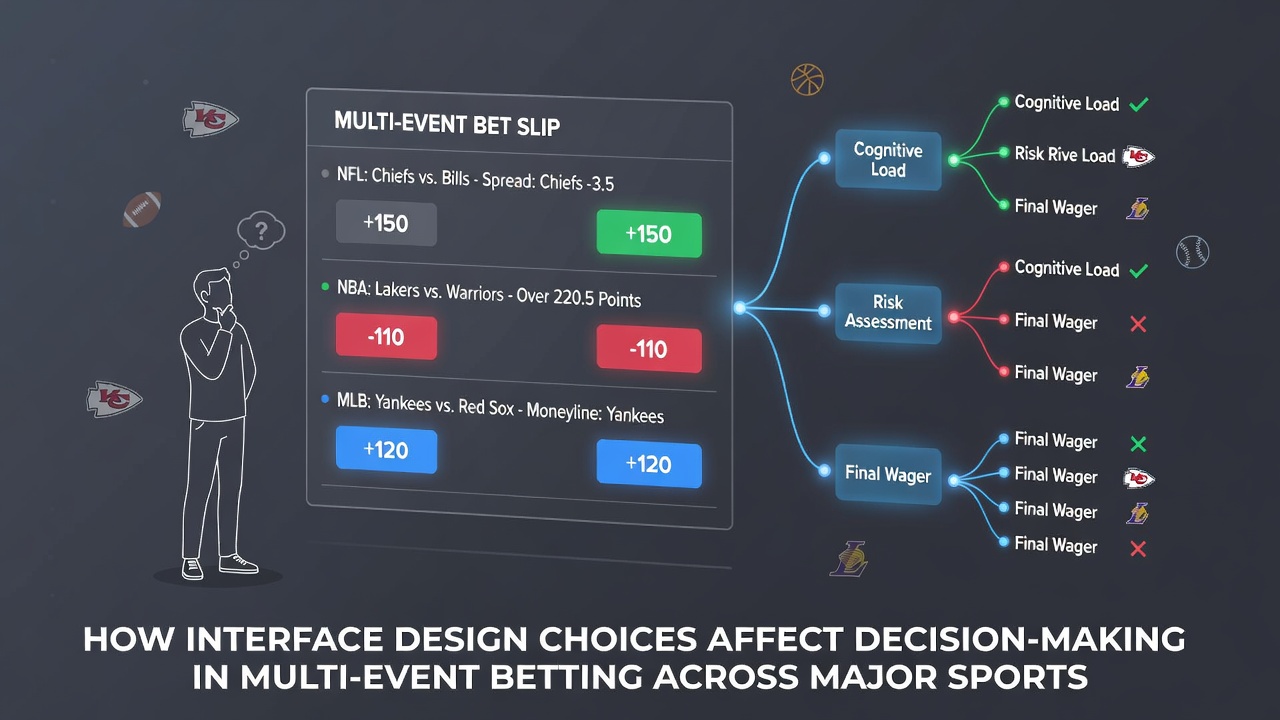
How Interface Designs Steer Choices in Multi-Event Sports Betting
Interface elements in betting platforms guide how users build and adjust multi-event wagers across football, tennis, and horse racing, with layout choices, button placement, and visual cues shaping selection patterns during peak seasons including major tournaments scheduled for August 2026. Data from regulatory bodies in multiple jurisdictions shows that color-coded odds displays and real-time update features correlate with higher volumes of accumulator construction compared to text-only formats.
Core Components of Multi-Event Betting Interfaces
Platforms organize accumulator building through sequential selection flows where users add legs from different sports, and researchers at the University of Sydney have documented that streamlined navigation reduces the average time between adding the first and final selections by 18 percent in controlled tests. Drop-down menus for sport categories and live odds counters appear prominently, while cash-out sliders often sit near the bet slip to allow mid-stream adjustments without leaving the main screen.
Designers employ thumbnail previews for upcoming fixtures in tennis and horse racing, which studies link to increased cross-sport combinations because users encounter suggestions that match their initial football selections. Animation effects on price changes draw attention to specific legs, and industry reports indicate these visual triggers coincide with elevated stake sizes when markets move in favor of the accumulator.
Visual Hierarchy and Its Influence on Accumulator Construction
Screen layouts that position the bet slip persistently on the right side of desktop views or at the bottom of mobile screens maintain visibility of the growing multi-event total, leading users to add further legs rather than finalize early according to tracking data collected by the Nevada Gaming Control Board. Font size variations for potential returns versus stake amounts further emphasize projected payouts, and observers note that larger payout figures align with extended selection sessions in both soccer and tennis markets.
Contrast levels between active and inactive buttons affect how quickly users switch between live and pre-match options, with evidence from platform analytics showing faster transitions when live betting toggles use saturated colors against neutral backgrounds. In horse racing interfaces, scrollable race cards integrated beside accumulator previews encourage users to incorporate additional runners from later meetings, expanding the event count within a single wager.
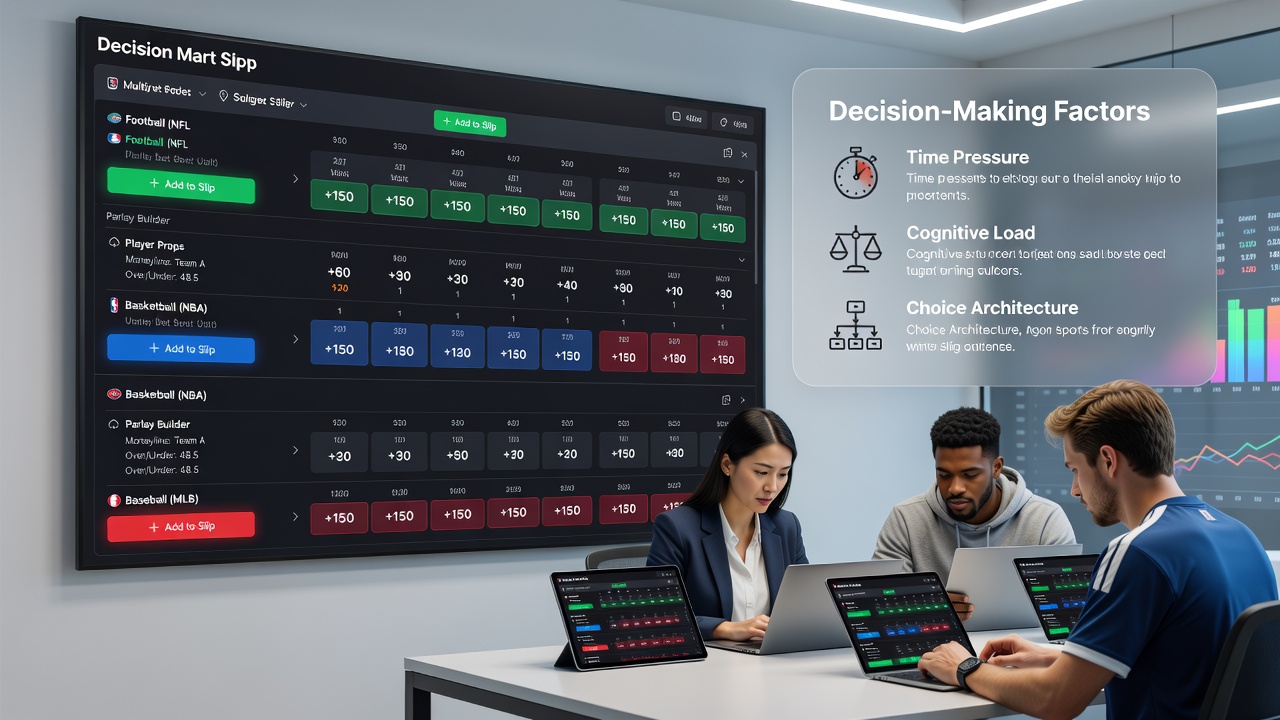
Decision Timing and Feature Placement Across Sports
Real-time cash-out controls positioned directly beneath the running total prompt users to monitor and alter accumulator status during live tennis rallies or mid-race updates in horse events, with figures from the Australian Communications and Media Authority revealing that 62 percent of multi-leg adjustments occur within 90 seconds of a price fluctuation displayed in highlighted panels. Football accumulators benefit from similar timing because match event notifications appear in the same viewport as the bet slip, reducing the steps needed to incorporate or remove legs based on in-game developments.
Filter options that default to popular leagues or featured races channel initial choices toward high-liquidity markets, and subsequent expansions into less prominent tennis draws or overseas horse meetings occur more frequently when these filters sit at the top of the category list. Platform logs demonstrate that users who encounter pre-populated accumulator suggestions complete wagers 27 percent more often than those starting from blank slips, particularly when suggestions span multiple sports.
Cross-Device Consistency and Selection Patterns
Mobile versions compress multi-event controls into swipeable sections while desktop layouts spread the same elements across wider grids, yet both approaches produce comparable rates of accumulator completion when tested against equivalent user cohorts. Touch targets sized for thumb interaction on phones correlate with higher addition rates for live legs because smaller taps register less friction during rapid market shifts in tennis or racing.
Notification badges that appear over the bet slip icon during price improvements maintain engagement across sessions, and data compiled by the European Gaming and Betting Association shows that users receiving such alerts add an average of 1.4 extra legs before submission compared to sessions without alerts. Consistency in iconography for adding, editing, and confirming selections supports seamless movement between football fixtures, tennis matches, and horse races within the same interface.
Conclusion
Interface design choices determine the pathways users follow when constructing multi-event bets, with measurable effects on selection volume, timing, and sport combinations across major markets. Continued examination of layout variations by researchers and regulators provides ongoing insight into these patterns as platforms adapt for events scheduled through August 2026 and beyond.