Promo Incentives Meet Live Exits: Multi-Bet Dynamics in Football Leagues and Equine Events
Written by Klara Hughes · Aug 2, 2026
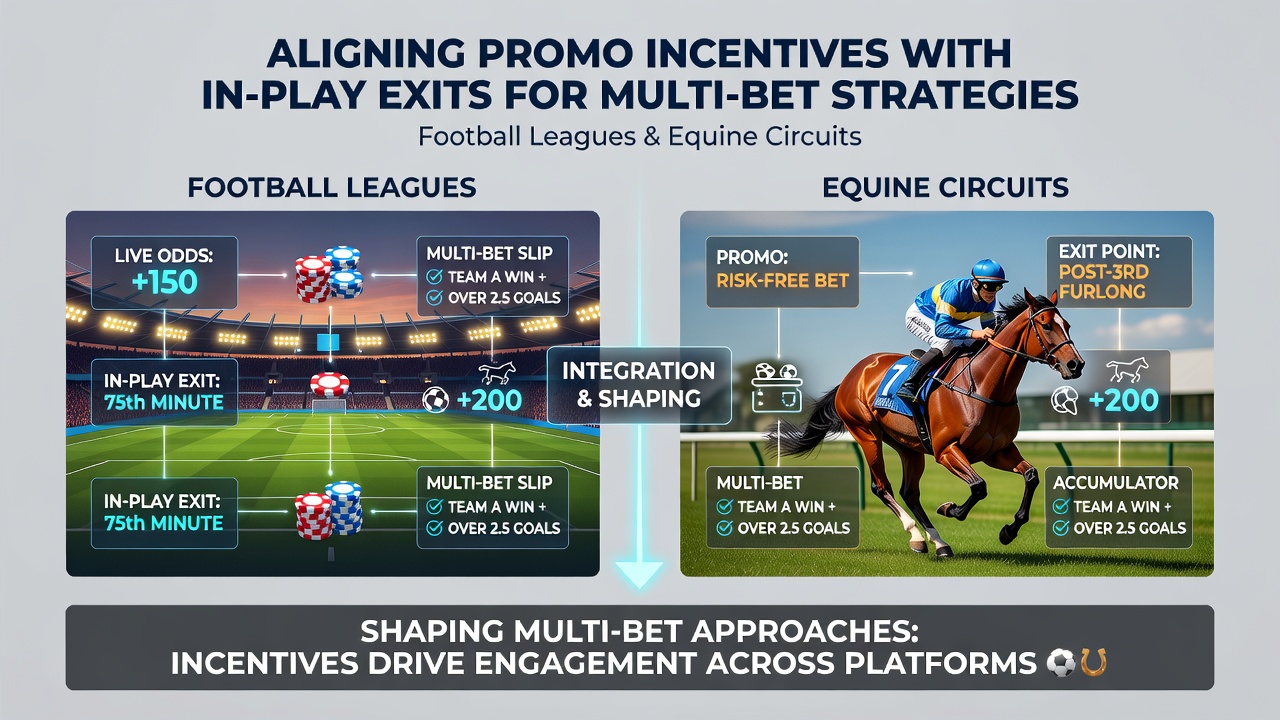
Promo Incentives Meet Live Exits: Multi-Bet Dynamics in Football Leagues and Equine Events
Promo incentives and in-play exits work together to influence how bettors construct and manage multi-bet approaches across football leagues and equine circuits, with operators structuring offers around free bets, boosted odds, and cash-out options that adjust risk exposure during live events. Data from industry reports indicate these features appear more frequently in accumulator bets that span multiple matches or races, where partial exits allow participants to lock in returns while leaving remaining legs active.
Promo Structures in Multi-Bet Contexts
Operators deploy free bets and deposit matches that tie directly to accumulator selections, and these incentives often require minimum odds thresholds that encourage bettors to combine selections from both football fixtures and horse racing events. Research from the European Gaming and Betting Association shows participation in such layered offers increased during periods when major leagues overlap with racing festivals, creating opportunities for users to apply one promo across different sports within a single ticket.
Boosted odds promotions frequently target specific legs, such as a Premier League match combined with a Group race at Ascot, and the alignment with cash-out tools lets users recalibrate if early results shift the overall probability. Observers note that these incentives appear in August periods when new seasons begin, including the 2026 football campaigns that coincide with late-summer racing meets.
In-Play Exits and Their Integration
In-play exits function as mechanisms that permit bettors to settle portions of an accumulator before all events conclude, and data indicate higher usage rates when promos include cash-out multipliers or bonus returns on exited legs. Studies from gaming research centers reveal that users in football multi-bets often exit after two or three results land favorably, then redirect remaining stake into new selections that qualify for additional incentives. Equine circuits show similar patterns during multi-race bets where form changes prompt partial exits to protect accumulated value.
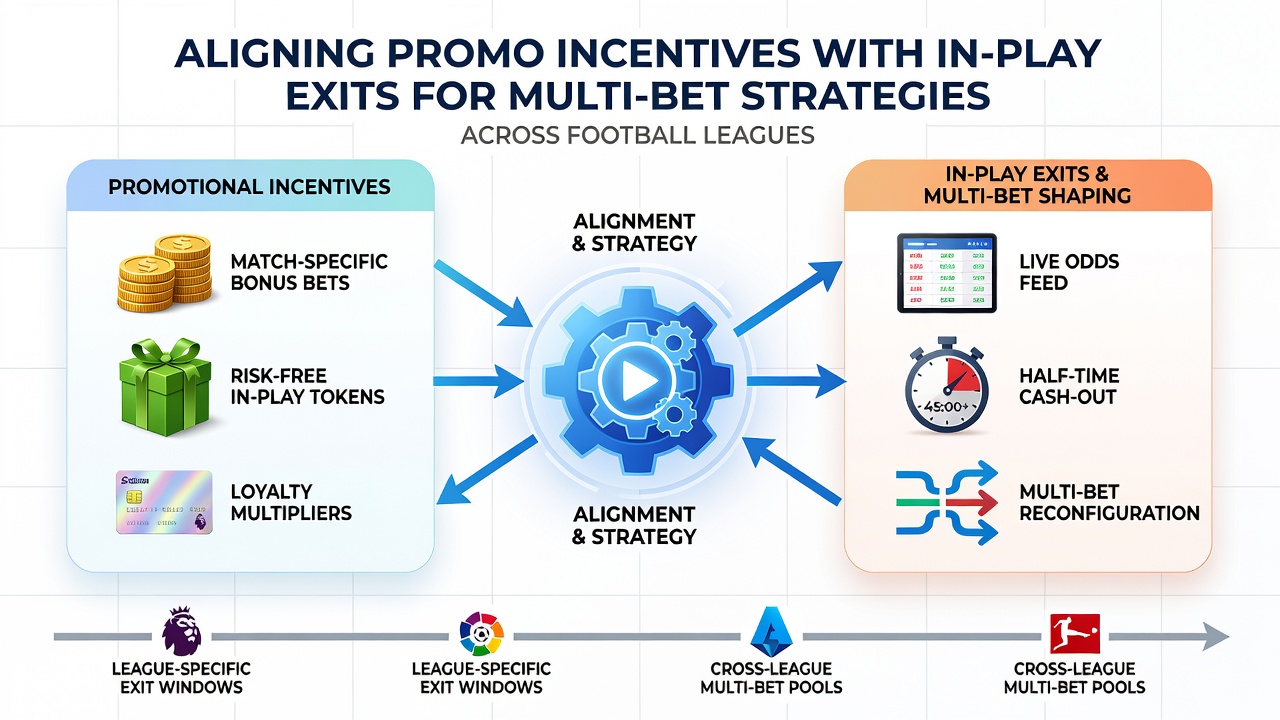
The timing of these exits correlates with promotional windows, such as midweek football rounds paired with evening racing cards, and operators adjust exit values based on real-time odds movements that reflect the original promo terms. Figures from North American gaming associations highlight that bettors who combine exit features with bonus playthrough requirements tend to maintain longer sessions across both sports categories.
Patterns Across Football Leagues
Football accumulators benefit from promos that reward correct score or goalscorer selections, and in-play exits allow adjustments when a team concedes early or when substitutions alter expected outcomes. Reports indicate that users frequently apply exit strategies after halftime in matches involving teams with strong home records, preserving promo-enhanced returns while reallocating to later races. August 2026 fixtures, including opening weekends across major European leagues, coincide with increased promo activity that layers cash-out options onto multi-leg tickets.
League-specific data show higher exit volumes in matches with high goal tallies, where partial settlements protect against late swings that could void the entire accumulator. Operators respond by offering exit boosts that align with existing free bet credits, creating a loop where one incentive supports continued multi-bet activity.
Equine Circuit Applications
Horse racing multis incorporate each-way elements and place terms that interact with promo incentives, and in-play exits become relevant during races where pace or positioning changes prompt reevaluation. Data from Australian gambling research centers demonstrate that bettors often exit after the first two legs of a multi-race ticket when a favored horse underperforms, then apply remaining value to subsequent events that carry boosted odds. Equine events scheduled in late summer, including those overlapping with football restarts, see these combined strategies more often because operators promote cross-sport accumulators.
Track conditions and jockey changes influence exit decisions, and promos that include insurance on non-runners encourage users to maintain multi-bet structures even after partial exits. Industry reports note steady application of these tools across both flat and jumps circuits when incentives cover the full ticket rather than individual selections.
Combined Approaches and Market Observations
Operators structure systems so that promo eligibility extends to bets containing exited legs, and this setup shapes how users sequence their multi-bet entries across football and racing. Evidence from academic studies on betting behavior indicates that participants who monitor live data feeds adjust exit points to maximize remaining promo value, particularly when one sport's results feed into selections in the other. August 2026 schedules, with concurrent league openers and racing festivals, provide repeated instances where these alignments appear in platform analytics.
Market figures reveal that multi-bet volumes rise when cash-out percentages sync with promo expiration dates, prompting users to complete or exit tickets within defined windows. The integration remains consistent across different leagues and circuits because the underlying mechanics rely on real-time odds feeds that support both exit calculations and bonus tracking.
Conclusion
Promo incentives and in-play exits continue to intersect in ways that affect multi-bet construction across football leagues and equine circuits, with operators refining these tools around seasonal overlaps and user activity patterns. Available data show measurable usage in combined selections, and the mechanics support ongoing adjustments that keep both promotional and exit features active within single tickets. Future platform updates are expected to maintain these alignments as operators respond to participation trends observed through 2026.