UK Retail Betting Sector Confronts Licensing Changes and Shop Declines
Written by Klara Hughes · Aug 31, 2026

UK Retail Betting Sector Confronts Licensing Changes and Shop Declines
Prime Minister Andy Burnham recently scrapped the “aim to permit” principle for betting shop licensing, a move presented as an effort to target “dodgy businesses” operating on high streets across the country, and this decision arrives while national figures already document a sharp drop in betting premises since their 2012 peak.
National Trends in Betting Shop Numbers
Data from industry sources shows that betting shop counts have fallen steadily over the past decade, with the decline accelerating in recent years even before the latest policy adjustment took effect, and observers note that these reductions stem from a combination of economic pressures and earlier regulatory adjustments rather than any single event.
Local authorities such as Brent council provide concrete examples of this pattern, where the number of gambling premises has continued to shrink despite ongoing campaigns that highlight concerns about clustering in certain neighborhoods, and figures from the area illustrate how premises have closed at a consistent rate without corresponding increases elsewhere.
Industry Response to the Licensing Shift
Industry representatives argue that the policy change carries more political weight than evidence-based justification, pointing out that new Gambling Impact Assessments were already scheduled for release and that many councils perform only minimal inspections on existing sites, which leaves operators questioning the timing and scope of the reforms.
Those familiar with the sector highlight how the removal of the “aim to permit” approach could complicate future applications without addressing the underlying data on shop reductions, and this perspective emerges alongside reports that participation rates in retail betting have stabilized rather than expanded in recent quarters.
Local Impacts and Council Practices
Brent council’s experience reflects broader patterns seen in other urban areas, where declining premises numbers coexist with vocal public campaigns, yet inspections remain limited in frequency according to available records, and this gap between activity and oversight forms a key part of the discussion around whether additional licensing hurdles will produce measurable changes.
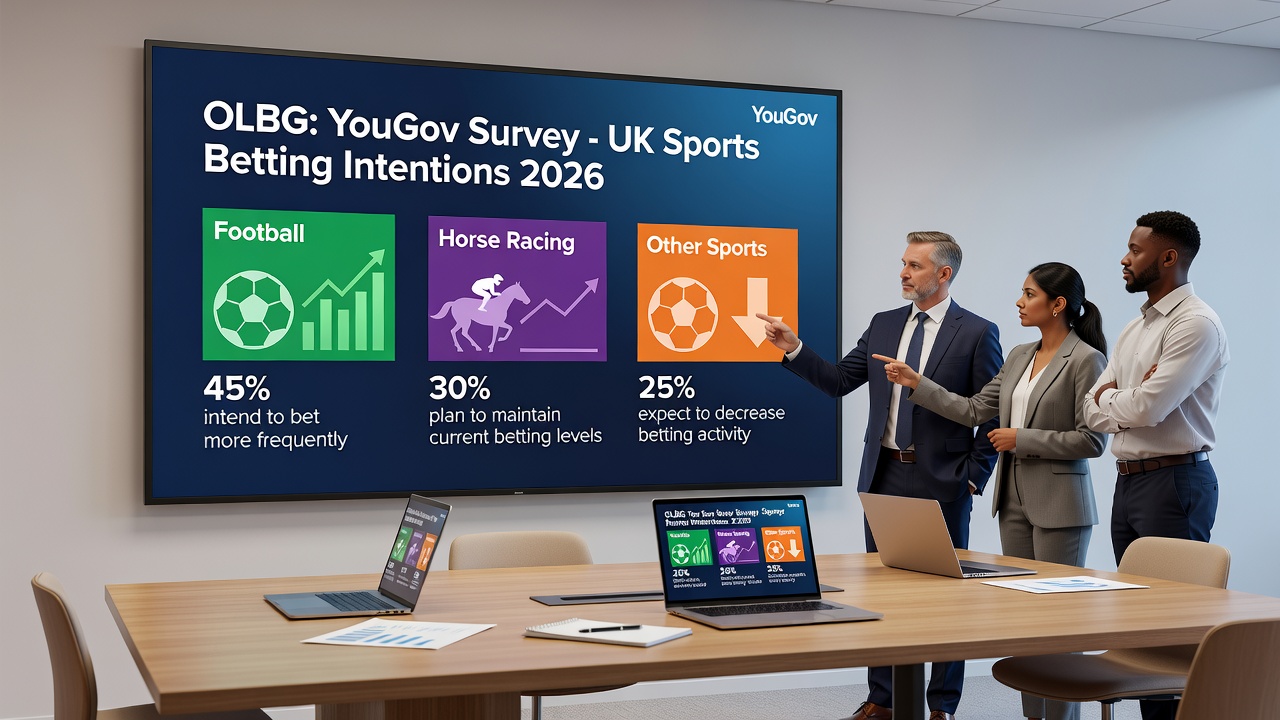
Councils across the UK face similar situations in August 2026, where reduced shop counts coincide with calls for tighter controls, and data indicates that the overall landscape has contracted significantly from earlier highs without new waves of openings to offset the losses.
Broader Context for Retail Betting Operators
Operators point to the forthcoming assessments as evidence that a measured approach was already underway, while the abrupt policy adjustment introduces uncertainty for businesses that have already adapted to fewer locations and shifting consumer habits, and this tension plays out against a backdrop of steady but not growing retail activity nationwide.
Evidence from multiple regions suggests that the combination of economic factors and prior rules has driven the observed closures more than any unchecked expansion, which leads some analysts to question how the new licensing stance will interact with existing downward trends in premises numbers.
Conclusion
The developments around Prime Minister Burnham’s decision on licensing principles intersect with documented declines in betting shop numbers and varying levels of local enforcement, creating a situation where industry stakeholders and councils alike monitor the effects on high street operations, and available statistics continue to show contraction from the 2012 levels alongside calls for impact evaluations that were already in progress.